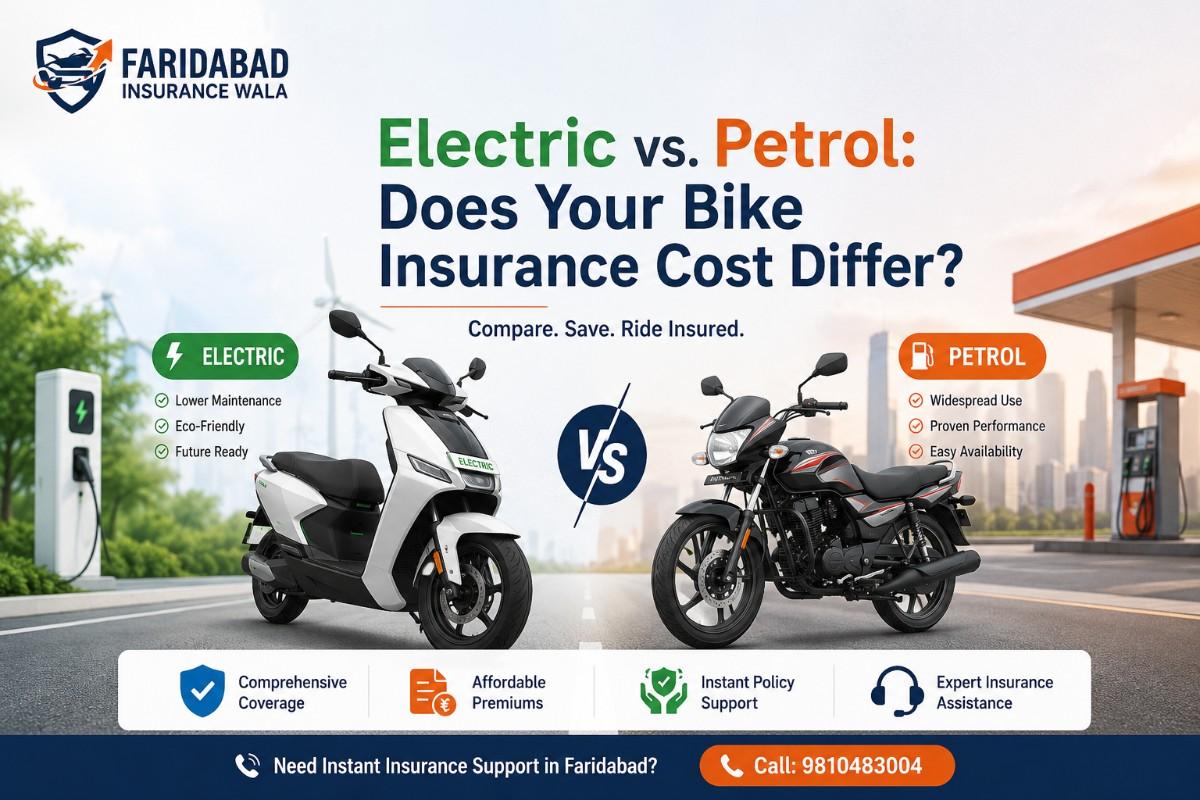
The transition from traditional petrol-powered two-wheelers to electric vehicles (EVs) is accelerating rapidly. If you are planning to purchase a new electric scooter, you might assume that its insurance works exactly like a regular motorcycle policy. However, this is a common misconception.
When you are looking to secure the best bike insurance, it is critical to understand that the underlying technology of your vehicle directly changes how insurers calculate your premium. Electric bikes have different risks, specialized parts, and even government-mandated discounts that separate them from their petrol counterparts.
The Key Cost Differences Between EV and Petrol Insurance
Yes, the cost of insurance differs significantly between electric and petrol bikes. Electric two-wheelers receive a mandatory 15% discount on Third-Party (TP) insurance premiums set by the IRDAI. However, because EVs have a higher upfront purchase price due to expensive lithium-ion batteries—which often make up 30% to 50% of the vehicle’s total cost—their Insured Declared Value (IDV) is typically higher. This higher IDV usually results in a higher “Own Damage” premium compared to an equivalent petrol bike.
1. The Third-Party (TP) Premium Discount for EVs
In India, Third-Party liability insurance is legally required for all vehicles operating on public roads. To encourage the adoption of eco-friendly transportation, the Insurance Regulatory and Development Authority of India (IRDAI) has established lower third-party premium rates for electric two-wheelers.
For example, an electric scooter with a motor under 3 kW pays around ₹457 per year for a TP premium. In comparison, a standard petrol bike up to 75cc pays ₹538 per year for the same component. This built-in IRDAI discount makes the mandatory legal portion of your policy cheaper if you ride an EV.
2. The Impact of the Battery on Own Damage (OD) Premiums
While the third-party cover is cheaper, the comprehensive portion (Own Damage) of your policy operates differently. The battery pack is the single most expensive component of an electric bike. Because of this costly component, the initial ex-showroom price—and therefore the Insured Declared Value (IDV)—of an EV is generally higher than that of a petrol bike with similar performance output.
Since the Own Damage premium is calculated as a percentage of the IDV, a high-IDV electric scooter will attract a higher OD premium. Therefore, even with the TP discount, the total comprehensive premium for a premium EV can be higher than for a standard petrol commuter bike.
3. Repair Costs and Claim Frequency
Electric bikes rely heavily on sensitive electronics, controllers, and battery modules rather than purely mechanical systems. These specialized components carry unique risks. Data suggests that insurance claims for electric two-wheelers happen roughly 18% to 20% more frequently than for petrol bikes, primarily due to electrical or battery issues.
Furthermore, repairing a damaged lithium-ion battery or complex electrical sensor requires highly specialized technicians. Consequently, repair costs for EVs can be 30% to 35% higher than traditional mechanical repairs for petrol bikes. Insurers factor in these heightened repair costs when you apply for an EV two-wheeler cover.
Should You Buy Comprehensive Coverage for an EV?
Absolutely. If water ingress during a flood damages a traditional petrol engine, the repair cost is manageable. But if water severely damages an electric bike’s battery pack, the replacement cost could be financially devastating without comprehensive coverage. When you buy bike policy online, ensuring you have robust Own Damage protection specifically for an EV is essential.
Ready to Protect Your Electric or Petrol Ride?
Whether you ride a traditional motorcycle or a modern electric scooter, you need the right protection. Contact Faridabad Insurance Wala today to compare premium costs and secure the best coverage for your exact vehicle.
Compare Premium Rates Now