
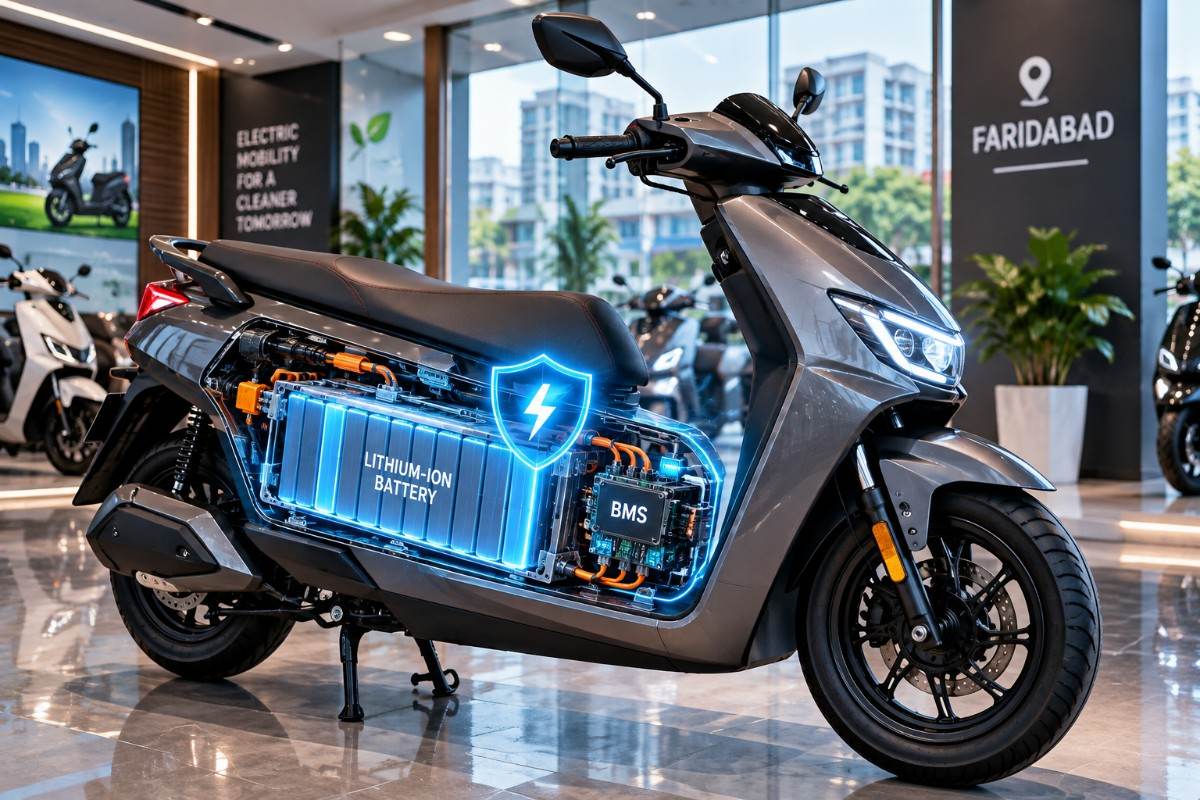
The electric mobility wave has taken urban commuters by storm, transforming daily transit across Haryana and Delhi-NCR. While electric two-wheelers deliver dramatic fuel savings and zero tailpipe emissions, their underlying mechanical architecture fundamentally changes the insurance landscape. Unlike conventional internal combustion vehicles where the engine is relatively durable and inexpensive to service, an electric scooter’s heartbeat lies in its high-voltage battery pack.
Many EV owners are puzzled when they see variations in their insurance renewal quotes. The driving factor behind these adjustments is the complex relationship between battery chemistry, replacement costs, and underwriting risk. Understanding these dynamics is crucial before selecting a policy for your electric two-wheeler.
The Battery Impact on Insurance
Why Battery Tech Governs Your Policy
- High Replacement Valuation: A traction battery represents 40% to 60% of an e-bike’s total retail value. Any damage to the battery pack often results in a Constructive Total Loss (CTL).
- Steep Depreciation Penalties: Standard motor policies treat batteries like consumable mechanical components, applying up to 50% depreciation during claims unless offset by specialized add-ons.
- Specific Environmental Hazards: High summer temperatures in northern India trigger thermal runaway concerns, while monsoon waterlogging presents severe short-circuit and water ingress risks.
- Underwriting Loading: Insurers price the Own Damage (OD) premium directly against the battery type (Lithium-ion vs. LFP vs. removable packs) and the availability of certified technician support.
Why Battery Chemistry Dictates E-Bike Insurance Pricing
When an underwriter evaluates an electric two-wheeler, the battery specification is the single most decisive variable. The chemistry and design determine both the probability of a claim and the cost of final settlement:
1. The 50% Valuation Rule
In a standard petrol scooter, no single mechanical part costs more than 15% to 20% of the vehicle’s Insured Declared Value (IDV). In contrast, replacing a damaged 3.7 kWh to 4 kWh lithium-ion battery pack on an electric scooter can cost between ₹45,000 and ₹75,000. Because minor underbody impacts on speed bumps can crack the protective casing and compromise the internal cells, insurers face massive claim liabilities even in low-speed collisions.
2. Lithium-ion (NMC) vs. Lithium Iron Phosphate (LFP)
Battery chemistry also influences insurance risk scoring. While Nickel Manganese Cobalt (NMC) chemistry packs higher energy density, they operate at higher thermal thresholds. Lithium Iron Phosphate (LFP) chemistry offers superior thermal stability in extreme ambient heat. Insurers factor thermal resilience and the quality of the Battery Management System (BMS) into vehicle model risk ratings.
The Depreciation Challenge: Standard Cover vs. Battery Add-On
Under baseline IRDAI comprehensive terms, claims on batteries carry standard depreciation deductions benchmarked against vehicle age. Without tailored endorsements, a battery replacement claim can leave you with substantial out-of-pocket costs:
| Vehicle Age Bracket | Standard Depreciation on Battery | Depreciation with Battery Protect Rider |
|---|---|---|
| Up to 6 Months | 0% to 5% | 0% (Full Replacement Paid) |
| 6 Months to 1 Year | 15% | 0% (Full Replacement Paid) |
| 1 Year to 2 Years | 20% | 0% (Full Replacement Paid) |
| 2 Years to 3 Years | 30% | 0% (Full Replacement Paid) |
| 3 Years to 5 Years | 40% to 50% | 0% (Full Replacement Paid) |
If your battery pack is valued at ₹60,000 and requires replacement after three years, a standard policy will deduct up to ₹24,000 in depreciation. Adding a specialized battery cover eliminates this deduction entirely.
Essential EV Add-on Covers Every Electric Two-Wheeler Needs
Given the specific technical vulnerabilities of electric mobility, standard comprehensive insurance leaves critical coverage gaps. To fully protect your investment, look for these tailored EV endorsements:
- Battery Protection Cover: Covers non-accidental battery damage, including internal short circuits, power surges during high-speed charging, and water ingress caused by flooded roads.
- EV Charger and Home Charging Cable Cover: Protects your external wall-box fast charger and portable charging cables against theft, vandalism, and electrical surge damage.
- Zero Depreciation (Bumper-to-Bumper): Electric scooters feature extensive plastic, ABS, and fiber-reinforced fairings to minimize chassis weight. Standard policies deduct 50% on plastic parts; Zero Dep covers 100% of material costs.
- Roadside Assistance (RSA) with Mobile Emergency Charging: If your battery runs out of charge midway through your commute, specialized EV RSA provides emergency roadside charging or flatbed towing to the nearest compatible EV station.
Navigating Thermal Runaway and Water Ingress in Delhi-NCR
Commuting across the NCR exposes electric two-wheelers to severe environmental challenges. Summer peak temperatures exceeding 45°C stress battery cooling systems, while heavy monsoon rains submerge roads in low-lying sectors. Standard insurance exclusions often classify water ingress into the battery compartment as “consequential loss” unless a specific electrical protection rider is active.
Ensuring your policy includes explicit coverage for water ingress and thermal degradation guarantees that you are covered against local weather realities.
Get Complete Protection for Your Electric Ride
Do not let high battery replacement costs turn your EV savings into unexpected debt. Explore customized EV coverage options with the experts at Faridabad Insurance Wala and secure the right protection for your two-wheeler.
Get an EV Insurance Quote